
Built for Him, Prescribed to Her
For decades, medicine was tested on men and handed to women. Same pill, same dose, same gym plan. The body was never the same, and "fine on average" was hiding it.
- 12 Tubeṛ 2026
- 5 min read

The default body was a man
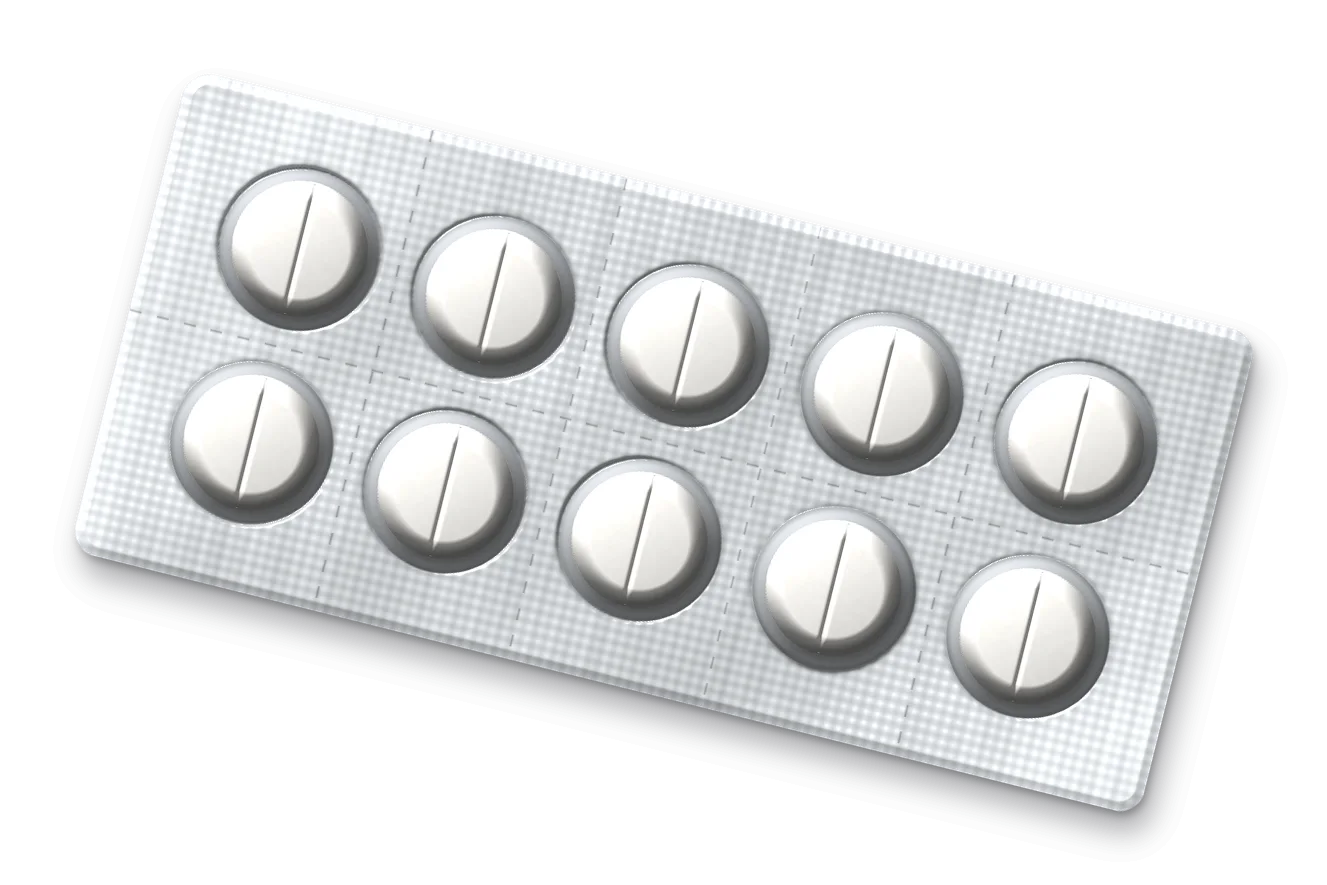
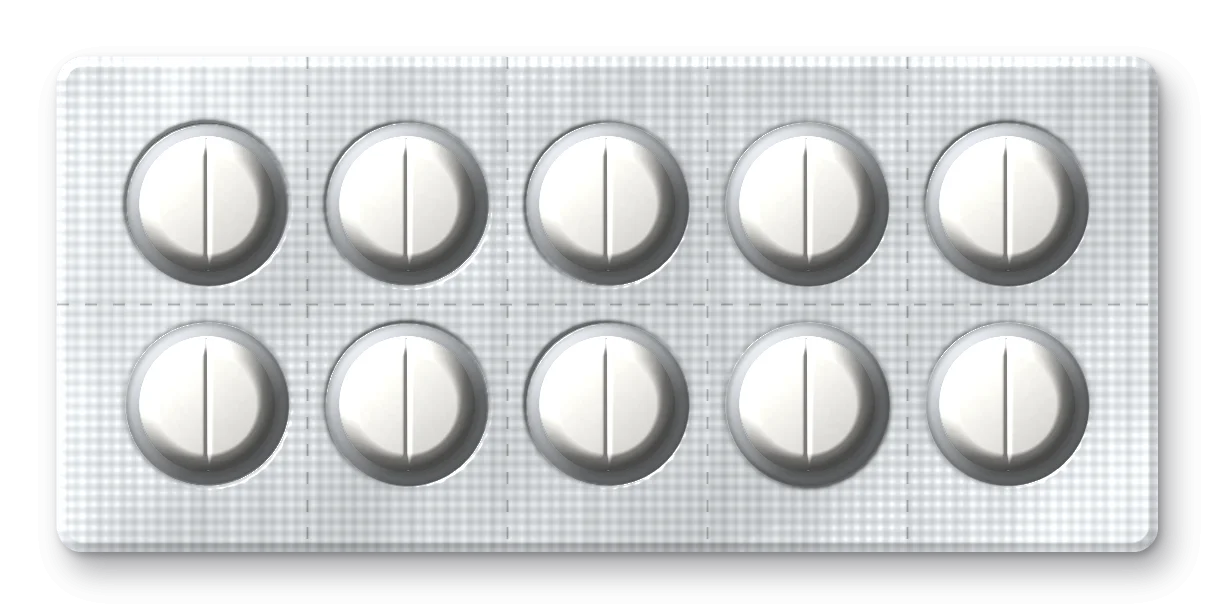
A man and a woman take the same sleeping pill at 11 p.m. Same brand. Same dose. Same box.
At 7 a.m. he is fine. She is driving to work with the drug still in her blood.
Nobody lied to her. The dose on the box was just worked out on men.
The pill is Ambien. It was approved in 1992. Women clear it about 35% more slowly than men. The FDA acted in 2013, and what it did was cut the women's dose in half, from 10 mg to 5 mg. Twenty-one years at double the dose.
7 a.m.He is fine.
A sketch, not a chart. Its numbers are the article’s: 35% slower, 10 mg, 5 mg.
How does that happen? In 1977, after the thalidomide disaster, the FDA told drugmakers to keep women "of childbearing potential" out of early drug trials. The reason was decent. The result was not. For 16 years, new drugs were tried on men and then handed to everybody.
Congress fixed the rule in 1993 with the NIH Revitalization Act. Six weeks later the FDA dropped its 1977 advice. The rule changed that year. The habits took a lot longer.
Same dose, different body
Ambien is not a one-off. At the same dose, women tend to end up with more of a drug in their blood, and it stays there longer. So women get bad reactions to medication nearly twice as often as men.
Here is the one that should have ended the debate. Ten prescription drugs were pulled off the US market between 1997 and 2000. A government audit went through all ten. Eight were more dangerous for women than for men. Four of those were mostly taken by women anyway. The other four were taken by everybody and still hurt women more.
Eight out of ten. Approved, sold, swallowed, and only then did anyone notice.
Women are not small men. Cutting a man's dose in half still leaves you with a man's drug.
The pill
Now take the one drug that only women take.
The contraceptive pill arrived in 1960. Ask any woman who has been on it and you get the list. Mood swings. Low mood. Acne. No sex drive. For decades the answer was a shrug. It's normal. Try another brand.
In 2016, Danish researchers finally ran the numbers on more than a million women. The ones on the combined pill were 23% more likely to start antidepressants than the ones who were not. That is a link, not proof. But that study came 56 years after the pill did.
Same year, different story. A hormone shot for men was tested on 320 men. It worked. The trial was stopped early anyway, because a safety panel did not like the side effects. Mood swings. Depression. Acne.
Read that list again. It is the one women have been told to live with since 1960.
To be fair to the men, more than 75% of them said they would use the shot if it existed.
This is the part that is changing. New medicine now gets tested on both, and the question "what does this do to her, specifically" is finally a normal one to ask.
The gym was built for him too
It does not stop at the pharmacy. Most training advice comes from the same place: studies on men. In sports science studies from 2014 to 2020, only 6% looked at women alone.
So here is what we actually know about how a woman should train. Not much. That is the story.
Does the time of day matter? One small American study put women and men on the same 12-week program, some in the morning, some in the evening. The women who trained in the morning lost more belly fat and lowered their blood pressure more. The women who trained in the evening gained more upper-body strength. The men came out differently. Everybody got fitter. It was 27 women. Interesting, not a rule.
Does the cycle matter? Researchers pooled every study they could find. Performance might dip a tiny bit in the first days of a period. They rated the evidence low quality and refused to give general advice. So anyone selling you a "train with your cycle" plan as settled science is ahead of the science. If week one feels different to you, believe yourself. That is better data than what is published.
Does it change how she should eat? Probably. Hormones run on a clock, and her clock is not his. So a diet timed for his body may not land the same way in hers.
Take fasting, the diet everybody swears by. One small study put eight men and eight women on the same plan, eating every other day, for three weeks. Afterwards the men needed less insulin to handle a meal. The women's blood sugar after a meal got a little worse. Same plan, opposite direction. Sixteen people is not proof. But many fasting studies do not even report their results by sex, so nobody can tell you who the diet works for.
Every body keeps its own balance. Hers is set differently from his. You only find it by studying her.
I went looking for the exercises women should not do. I did not find one. What I found is places that deserve more attention than a man's program gives them.
Knees. In soccer and basketball, women tear their ACL, the ligament that holds the knee together, about three times as often as men. Wider hips, a different way of landing, maybe hormones. Nobody is fully sure.
Bones. A woman can lose up to 20% of her bone density in the five to seven years after menopause. About one in two women over 50 will break a bone because of it. Lifting heavy things is one of the few habits shown to push back. So "weights are for guys" is exactly backwards.
Pelvic floor. About one in four American women has a pelvic floor problem, like leaking. Find me the mainstream gym plan that mentions it.
- Knees3× the ACL tears, in soccer and basketball
- Bones20% of bone density can go after menopause
- Pelvic floor1 in 4 women has a problem with it
Who is in the room
Why did this take so long? Look at who was asking the questions.
A Yale study talked to heart attack patients aged 55 and under. Of the women who had seen a doctor beforehand, 53% were told it was not their heart. For men it was 37%.
A UCLA study in 2024 looked at about 776,000 older hospital patients. Women treated by a female doctor died a little less often in the next 30 days: 8.15%, against 8.38% with a male doctor. Small gap. A link, not proof. It points the same way as everything else.
As more women became doctors and researchers, the questions changed. The money is following, slowly. In February 2024 a US research agency put $100 million into women's health. In July 2026, women's health groups asked Congress for $20 billion over ten years.
And in April 2025 the US health department cut the funding for the Women's Health Initiative, a long-running study of women after menopause. Then it put the money back.
That is how solid the progress is. One budget meeting.
Fine on average
Here is the part I want you to keep.
Picture a drug tested on 100 men and 100 women. Not one man gets a side effect. Thirty women do. Add them up and you get 15%. The report says "well tolerated". The drug ships.
On average it is fine. But nobody is the average. A man took it, or a woman took it.
That is the trick that hid all of this for decades. Mix two different bodies, look at the middle, and call the middle safe. Zero problems for him and a lot of problems for her comes out as "acceptable".
And when her side effects do show up in the data, there is a word ready for them. Anomaly. Outlier. Noise. For years the hormone cycle itself was treated as noise, and used as a reason to leave women out of the study. It was never noise. It was the result.
So the rule should be simple. A drug has to work for men with the fewest side effects for men. And it has to work for women with the fewest side effects for women. Two answers. Two doses if that is what it takes. Same for a training plan. Same for everything nobody has studied yet.
That is why the studies starting now matter. They are built around the person who will actually take the treatment.
Until the results come in, three small things. If a medication hits you harder than the leaflet says, tell your doctor and ask about the dose before you change anything yourself. If the pill changes your mood, you are not imagining it, and it is worth a conversation. And know the heart signs: chest pain first, but also jaw or arm pain, nausea and shortness of breath. If someone tells you it is stress, ask them to check anyway.
"Normal" was measured on somebody else. Time to measure it on her.
Iɣbula25
- National Institutes of Health Revitalization Act of 1993 (Public Law 103-43)
- History of Women's Participation in Clinical Research
- Women and Trials: When Is Gender a Consideration?
- Guideline for the Study and Evaluation of Gender Differences in the Clinical Evaluation of Drugs (July 1993)
- Sleep Medications and Women: a Review of Issues to Consider for Optimizing the Care of Women with Sleep Disorders
- Zolpidem and Gender: Are Women Really At Risk?
- Sex differences in pharmacokinetics predict adverse drug reactions in women
- Sex Differences in the Presentation and Perception of Symptoms Among Young Patients With Myocardial Infarction (VIRGO study)
- "Invisible Sportswomen": The Sex Data Gap in Sport and Exercise Science Research
- Comparison of Hospital Mortality and Readmission Rates by Physician and Patient Sex
- Treatment from female doctors leads to lower mortality and hospital readmission rates
- $20 Billion National Strategy Aims to Close the Women's Health Gap
- HHS reverses course and restores funding for Women's Health Initiative
- ARPA-H announces Sprint for Women's Health
- Drug Safety: Most Drugs Withdrawn in Recent Years Had Greater Health Risks for Women (GAO-01-286R)
- Association of Hormonal Contraception With Depression
- Efficacy and Safety of an Injectable Combination Hormonal Contraceptive for Men
- Male contraceptive injection effective at preventing pregnancy
- Morning Exercise Reduces Abdominal Fat and Blood Pressure in Women; Evening Exercise Increases Muscular Performance in Women and Lowers Blood Pressure in Men
- The Effects of Menstrual Cycle Phase on Exercise Performance in Eumenorrheic Women: A Systematic Review and Meta-Analysis
- A meta-analysis of the incidence of anterior cruciate ligament tears as a function of gender, sport, and a knee injury-reduction regimen
- What Women Need to Know
- High-Intensity Resistance and Impact Training Improves Bone Mineral Density and Physical Function in Postmenopausal Women With Osteopenia and Osteoporosis: The LIFTMOR Randomized Controlled Trial
- Prevalence of Symptomatic Pelvic Floor Disorders in US Women
- Glucose tolerance and skeletal muscle gene expression in response to alternate day fasting in non-obese humans