No. 30August 10, 20264 min
The Wave
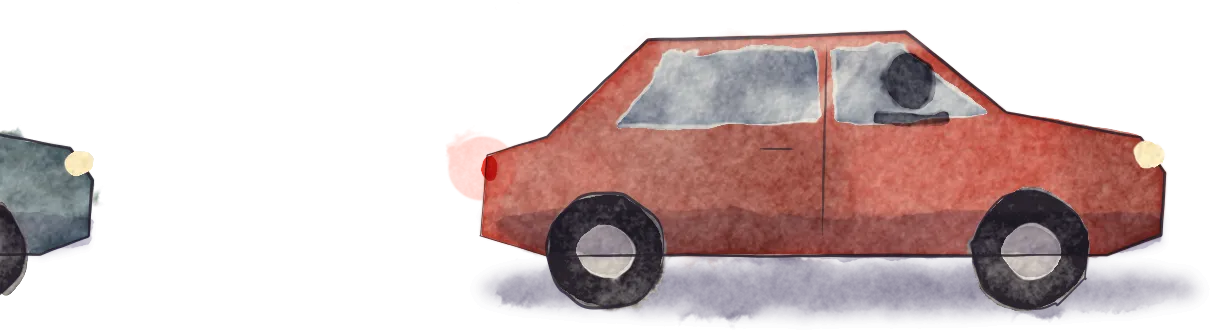
A driver stops at the crosswalk. You raise your hand. They nod. The whole exchange takes a second. Most people don't do it anymore, and that quiet absence is doing something to us.
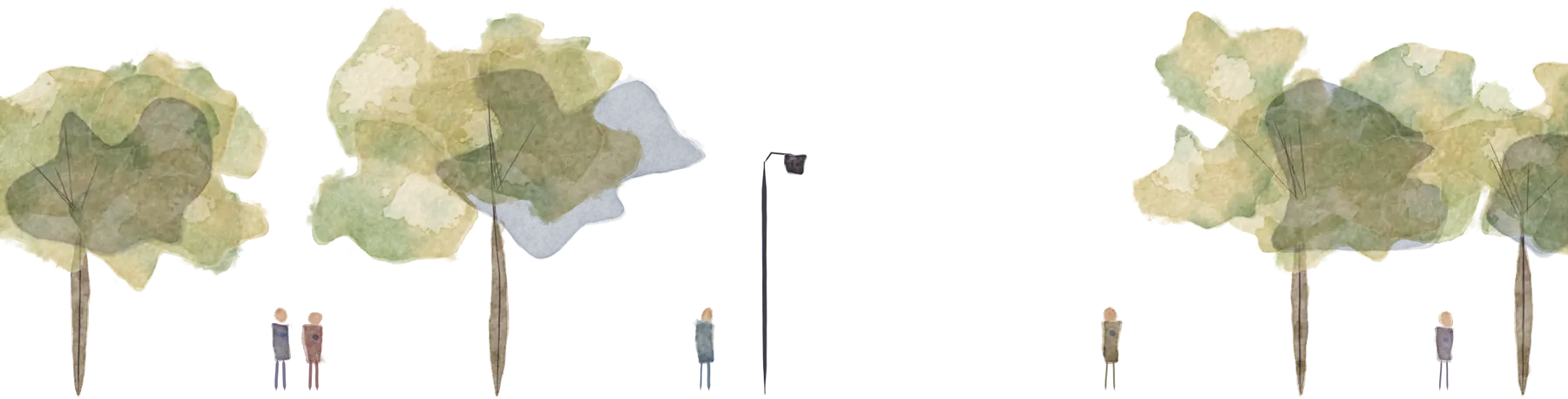

Crossing 014:40 pm · Late afternoon
The missing wave

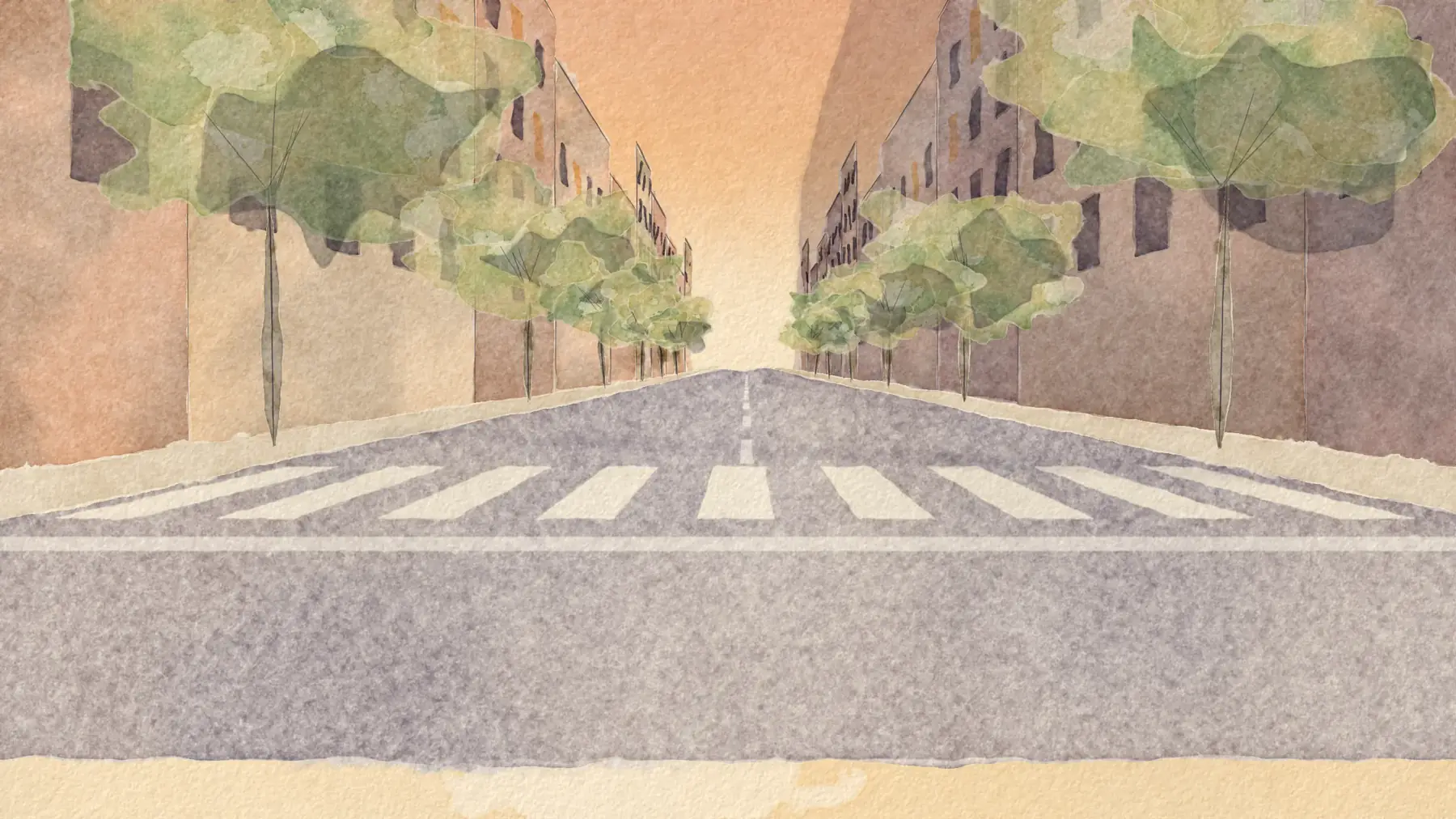
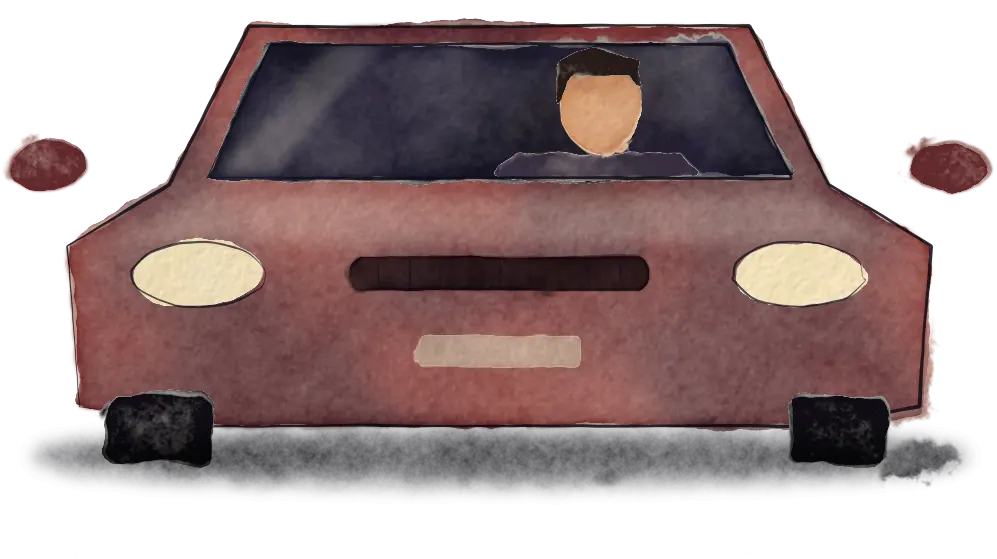
You cross a street. A car stops to let you pass.
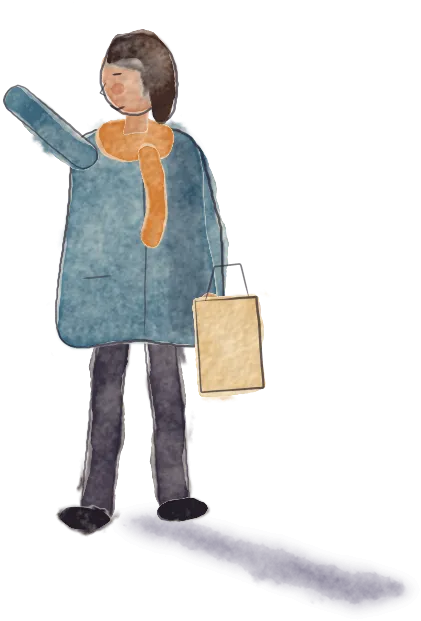
The right thing to do is raise your hand. A small gesture. A nod. Maybe a smile. It takes less than a second. It costs nothing. The driver knows you saw them. You acknowledged that they did something they didn't have to do. The interaction is closed cleanly. Both of you continue your day slightly better than you would have otherwise.
Now look at any street in any major city. Count how many people do this.
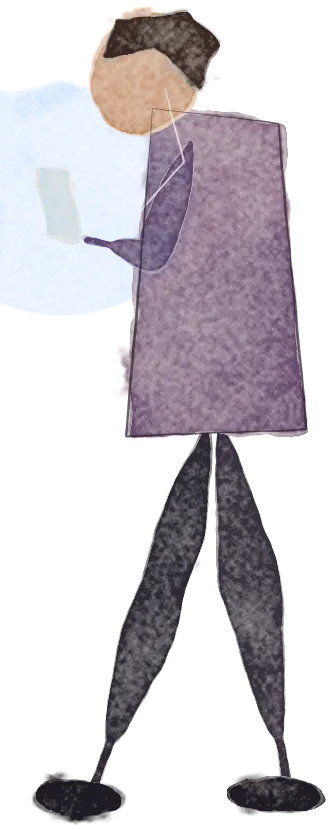
It's gone almost completely. People walk in front of stopped cars with their faces in their phones, headphones in, no eye contact, no acknowledgment. The driver waited, the pedestrian walked, the moment passed, and nothing happened between two humans who briefly shared the same space.
I want to talk about why this matters more than it seems to.
For most of human history, the texture of a society was made up of micro-interactions. You walked past someone, you nodded. You walked into a shop, you said good morning. Someone held a door, you said thank you. You sat next to a stranger, you exchanged a few words about the weather. None of these were significant individually. Collectively, they were the connective tissue of a community.
Fig. 1 — The connective tissue
0 nods in the last ten seconds
You knew you lived among other people because you bumped into them, lightly, all day long. The acknowledgments were small. The cumulative effect was the sense that the world contained other humans who saw you and whom you saw.
The small gestures
| Action | Used to be | Currently |
|---|---|---|
| Driver stops at crosswalk | Pedestrian waves / nods | Pedestrian doesn't look up |
| Someone holds a door | Verbal thank you, eye contact | Mumbled "thanks" while walking |
| Entering small shop | Greeting to staff | Direct walk to product |
| Bus driver opens door | Thank you exiting | Silent exit |
| Stranger on transit | Brief eye contact, sometimes brief conversation | Headphones on, phone up |
| Passing neighbor | Nod, hello | No acknowledgment |
Each of these used to be expected. Now each is rare enough that you notice when it happens.
Walk through a city in 2026. Most of those interactions are gone. Headphones in. Phones up. Eyes down. The texture of social life has been thinned to the point of near-disappearance. You can go through an entire day in a busy city without making real eye contact with another person who isn't paid to look at you.
This isn't a small thing. This is a major shift in what living in a society feels like. And it's happened so gradually that we don't notice.
Crossing 026:15 pm · Golden hour
From the driver's seat
Try this from the driver's side.
You stop for a pedestrian. They walk in front of your car looking at their phone. They don't look at you. They don't wave. They don't acknowledge that you gave them the space.
How do you feel?
Most people, honestly, feel a small spike of resentment. Not enough to be rude. Not enough to ever say anything. But enough that the next time you see someone stepping into a crosswalk, you might not stop as readily. You might roll through. You might consider yourself a less generous driver than you used to be.
This is how civic norms collapse. Not in dramatic acts of rudeness. In thousands of tiny moments where one party gives, the other party doesn't acknowledge, and the giver slowly stops giving.
The pedestrian walking with their head down isn't being malicious. They probably just don't notice. But the cumulative effect of a generation of pedestrians walking with their heads down is a generation of drivers who stop noticing they should slow for pedestrians, because nothing positive ever came from doing it. The norm decays from both ends.
Crossing 037:50 pm · Dusk
Two things happened
Two things happened roughly together.
The first is obvious: phones. Constant access to entertainment, communication, work, and stimulation in your pocket has made the ambient experience of being out in the world unbearable for most people. The cost of looking up from your phone went up because looking up means missing something. So nobody looks up.
The second is less discussed: we stopped teaching it. There used to be an entire layer of civic education, explicit, deliberate, sometimes annoying, about how to behave in public. Hold doors. Say please and thank you. Make eye contact. Greet shopkeepers. Acknowledge people who do small things for you. This was taught at home, at school, in religious institutions, in scout troops and youth groups, and reinforced through years of social pressure.
Most of that infrastructure is gone or weakened. The civic books that used to be standard in primary education in France, Britain, and elsewhere have thinned. Many schools no longer explicitly teach courtesy. Many parents are too exhausted or too distracted to enforce it. Many immigrants from regions with very different norms about public interaction never received this kind of training in the first place, and the receiving countries have failed to teach it on arrival.
This isn't anyone's fault, individually. It's a quiet civic collapse that everyone is participating in.
Crossing 049:30 pm · Night
A small ask
What I'm asking for is incredibly small.
When a car stops for you, raise your hand. A wave, a nod, anything that says I saw you. When someone holds a door, look them in the eye and thank them, not a mumbled "thanks" at the floor. When you walk into a small shop, say hello to the person behind the counter before you start looking around, and say goodbye, or have a nice day, or au revoir on your way out. You are not transacting with a kiosk. You are dealing with a person whose entire day is being spent on people who pretend they aren't there. When you walk past a neighbor, even one you don't know, nod.
Take your headphones off in shops. Make eye contact with the checkout, the bus driver, the waiter. The phone can come out later. The transaction can wait thirty seconds.
If you're a parent, teach your kids. They will learn the behavior from watching you. Ten years of seeing you do it makes it natural to them. Ten years of seeing you scroll past everyone makes the opposite natural instead.
If you're an educator, teach it. The civic vocabulary of public courtesy is being lost because no one is being deliberately taught it anymore. Bring it back. It's not optional culture. It's how a society holds together at the bottom level.
Civilization is not held together by laws or institutions or governments. Those are the visible part. They function because the population beneath them has thousands of small, voluntary, daily interactions that affirm we are all in a shared project. When those interactions go, the institutions don't immediately collapse. They just become increasingly hard to defend. People stop feeling like they live in a society and start feeling like they live in a logistical zone with strangers. Trust falls. Politics gets more extreme. Communities thin out. Loneliness becomes endemic.

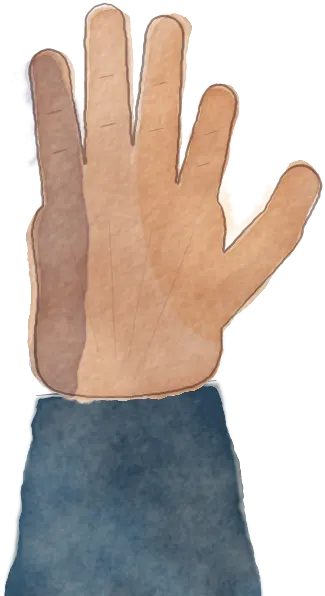
Try it tomorrow. Wave when a car stops for you. Watch the driver's face.
They'll be surprised. That's the saddest part.