

January 19, 2026 · 4 min read
The Land Was Amazigh First
I am Kabyle. The border called Algeria is recent; the people under it are not. A look at the oldest layer of North Africa, and the diaspora that quietly folded into France.
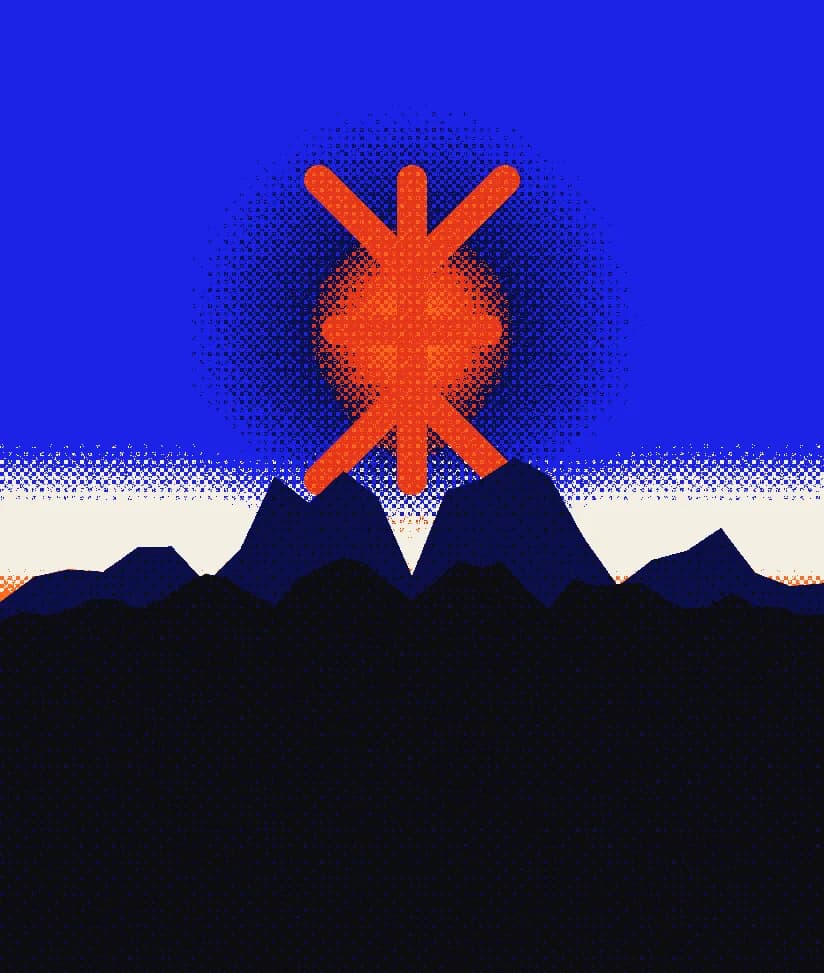
Amazigh: free people
The Land Was Amazigh First
I am Kabyle. That word means more to me than the line on the map that says Algeria, because the line is recent and the people under it are not.
Algeria is a border. France drew most of it. Inside that border are peoples who never asked to be one thing: the mountain Kabyles, the Chaoui of the Aurès, the Mozabites, the Tuareg of the deep south. Different climates, different histories, different things held sacred. The map flattened all of it into a single name, and the name is the youngest thing in the room.
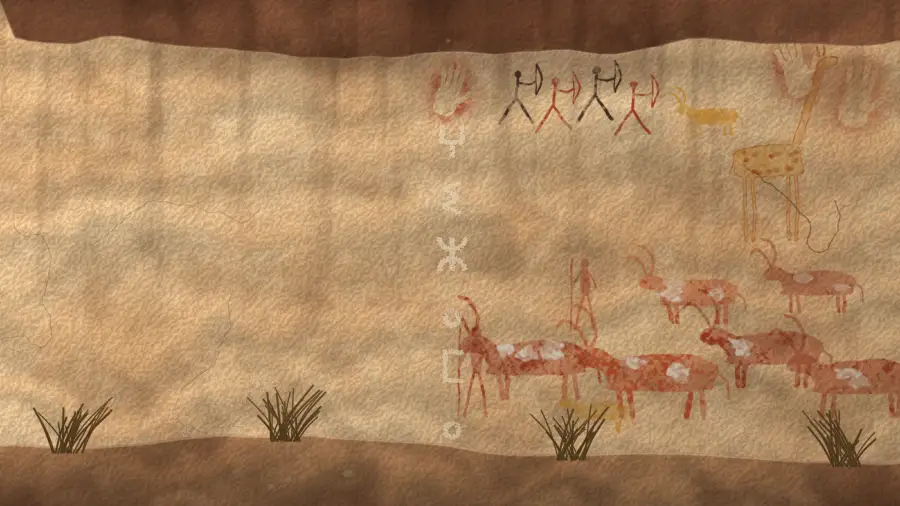
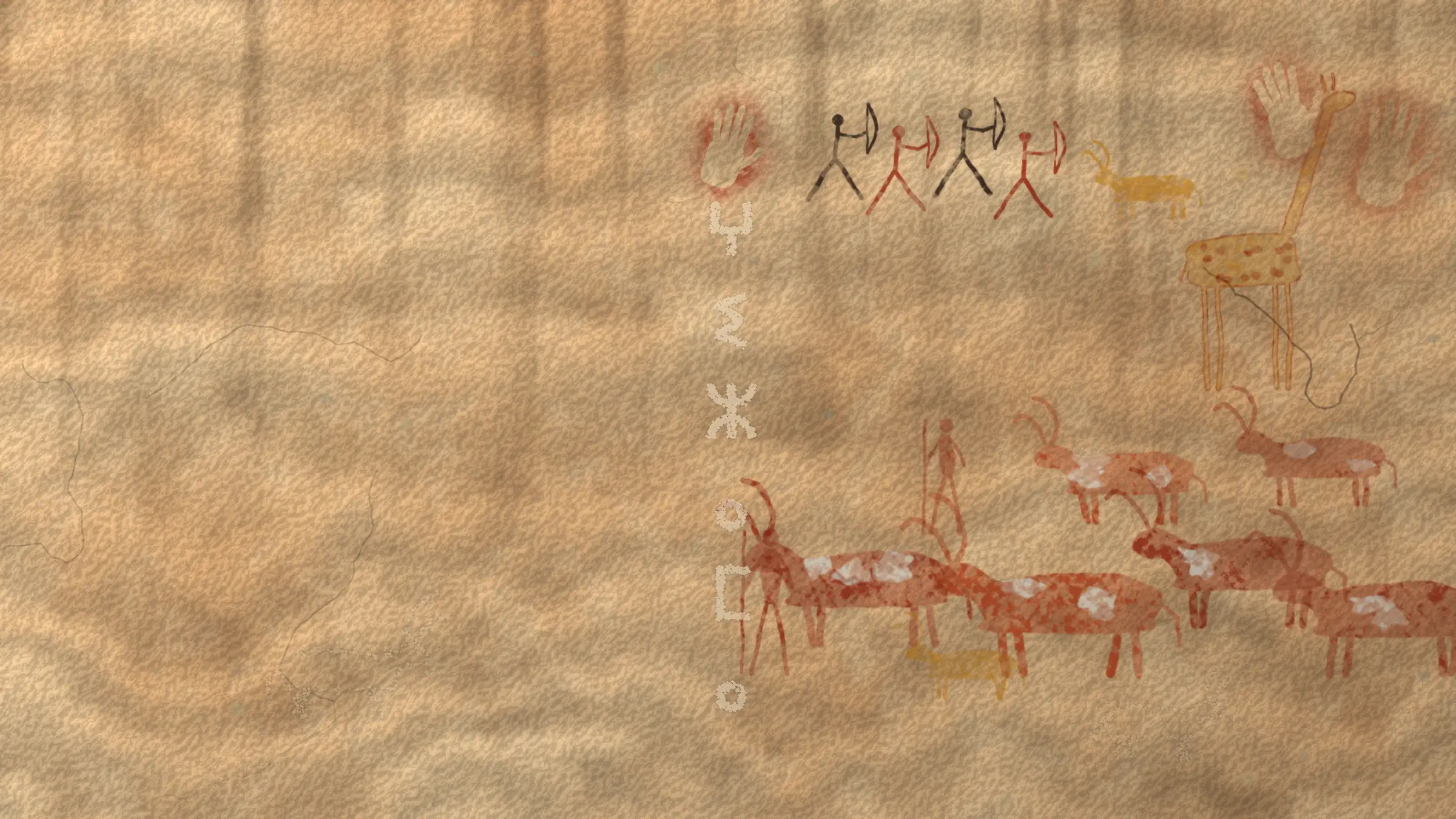
Start with what was here first. The Amazigh, the word means FREE PEOPLE. Their script, Tifinagh, was being carved into stone in the sixth century before Christ. Numidia was a kingdom with its own kings, Massinissa and Jugurtha, while Rome was still deciding what it wanted to be. None of this is borrowed. It is the floor everything else got built on.
Then everyone came. Phoenicians traded on the coast. Rome ruled and left its roads and cities. North Africa became one of the great centres of early Christianity, and it held Jewish communities for centuries, whole Berber tribes that practiced Judaism. When the Arab armies arrived in the seventh century, the person who met them was a Berber queen, Kahina, out of the Aurès. She was Jewish. Her people were pagan and Christian and Jewish all at once, and she fought the conquest to the end. Then the Arabs stayed, and later the Ottomans, and then France. Each one left something behind.
Here is the part people forget. The Amazigh were never erased by any of them. They chose. They kept what fit and let the rest wash through. You see it most clearly in how they hold the sacred. The old Berbers venerated their dead as something close to gods. That same instinct became the cult of Christian martyrs, and then became the marabouts and the saint shrines that people in Kabylie still walk to today. The names changed with every religion. The practice is older than all of them. Go to certain trees, certain mountain passes, certain tombs, and you are standing somewhere that was holy before Islam, before Christianity, before any of it had a name.
That is the whole point. The religions passed through. The people stayed, and so did the oldest layer underneath them.
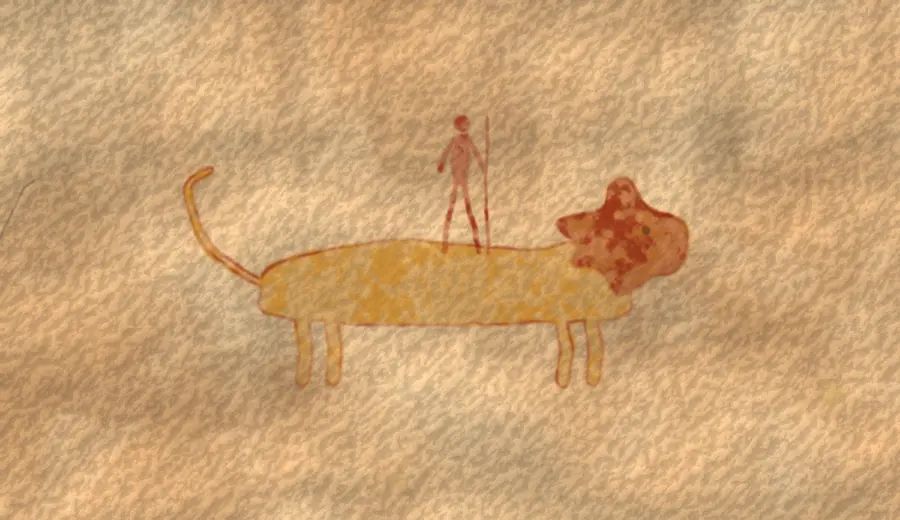
You can stand in one place and see all of it at once. Near Tlemcen, in the west, is the tomb of Rabbi Ephraim Encaoua, a Jewish sage who fled the persecutions of Spain in the 1390s and, the story goes, arrived riding a lion. For centuries his grave was the great Jewish pilgrimage of North Africa. Every spring, around Lag BaOmer, the pilgrims came in their tens of thousands and nearly doubled the town, and not only Jews. Muslims walked to the same tomb to ask the same favours, Berbers among them, everyone borrowing everyone's saints. That was the country once. A land that made room. The last great pilgrimage was in 1955, and then the war came and the Jews left and the gate quietly closed.
The south is not the north. Desert people kept different influences than mountain people, and that is not a flaw, it is the proof. A single, fixed identity could never have survived this many empires. A layered one did, easily.
Which makes the last stretch hard to watch. At independence, people thought Algeria would become one of the great nations. A country that kept the best of what France left and built it on a Berber foundation. It had the land, the oil, the people, the history. Instead the room got smaller. A people who had spent three thousand years choosing were told there was one way to be, one language to prize, one faith to show in public.
You can measure what that cost. The minimum wage is 24,000 dinars a month, raised at the start of 2026 after sitting frozen at 20,000 since 2020. At the real street rate for the euro, now near 290 and still climbing, that is about 83 euros. The official rate would call it closer to 160, but no one can buy euros at that price, and the dinar falls faster than the wage rises. Eighty-some euros a month, on top of some of the largest gas reserves on earth.
24,000 dinars a month
≈ 83 €
Raised at the start of 2026 after sitting frozen at 20,000 since 2020. No one can buy euros at the official price.
So people left, and Kabyles left first and in the greatest numbers. The early waves of migration to France were heavily Kabyle, which is why the accent still carries through certain French towns. Around five million Kabyles live in Algeria today. How many live abroad, no one can really say, and that is the nature of it. Families were large, often a dozen children to a household, so a single generation could turn a handful of siblings into dozens of grandchildren, and every one of them born abroad is born French, French in passport and in how they move through the world. Multiply that across a century of migration and, counting the second and third generations, perhaps ten-fifteen million people of Kabyle descent now live abroad. The diaspora is large and almost invisible at once, because we assimilate so completely that by the second generation we have folded into the country around us, climbing high in school and work and then going quiet about where we came from. That is the most Kabyle thing about it.
About 5 million Kabyles in Algeria
Perhaps 10–15 million of Kabyle descent abroad, counting the second and third generations
And it was never that the people who left lacked anything. They are quick, they learn fast, they adapt to any country that will have them, and they prove it the moment they land somewhere that lets them work. They left because the place that should have been theirs offered no future, only a smaller and smaller room. A land that once made room for everyone, that took in Phoenician and Roman and Jew and Arab, now cannot hold its own. That is the part that should sting. Not that the people lacked the capacity, but that they were stuck in a situation far beyond their power to fix, and so they did the rational thing and carried the oldest layer somewhere else.
But the floor is still there. You cannot un-carve Tifinagh. You cannot un-build Numidia. You cannot un-visit a shrine that was holy before the prophets. The oldest layer is the most durable one, and it is still the first thing a Kabyle recognizes in himself, before any flag and before any creed.
I did not go looking for this history to feel proud. I went looking because the official story is too small. The real one is older, stranger, and freer, and it is still right under our feet.
Sources10
- アルジェリア法定最低賃金、2026年1月から20%引き上げ (Algeria's statutory minimum wage to rise 20% from January 2026)
- Square Algérie (live parallel-market exchange rate tracker)
- Libyque : écriture et langue
- Numidia
- Jugurtha
- Dahiya Kahina
- Algeria Raises Minimum Wage Effective Jan. 1, 2026
- Euro Black Market Rate Hits 280 DZD in Algeria
- Algeria 1989 (reinst. 1996, rev. 2016) Constitution
- Algerian immigration into France